Goodbye 2D.
Hello, holograms.
Repositioning Looking Glass from a 3D-creator community into an enterprise holography brand, across three rounds of the public website.
In the rapidly evolving world of visual media, Looking Glass faced a monumental task: transitioning from a focus on a community of 3D creators to a broader audience, including enterprise brands.
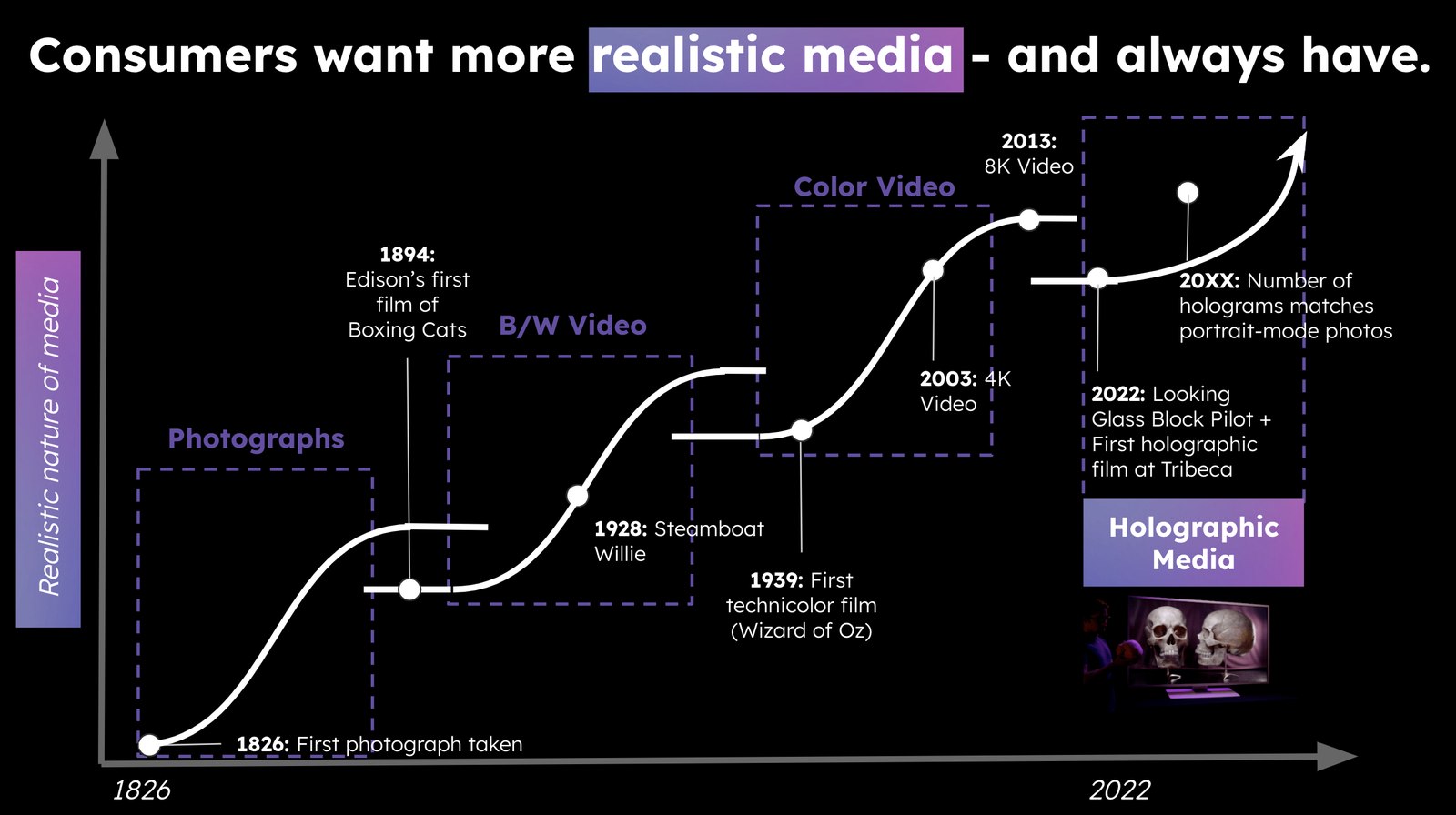
With the promise of holography being the next big leap, akin to the shift from radio to TV or black and white to color, the website needed to resonate with this new direction and effectively communicate the value of 3D holography.
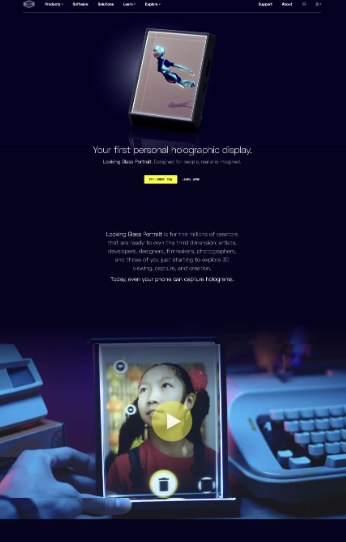
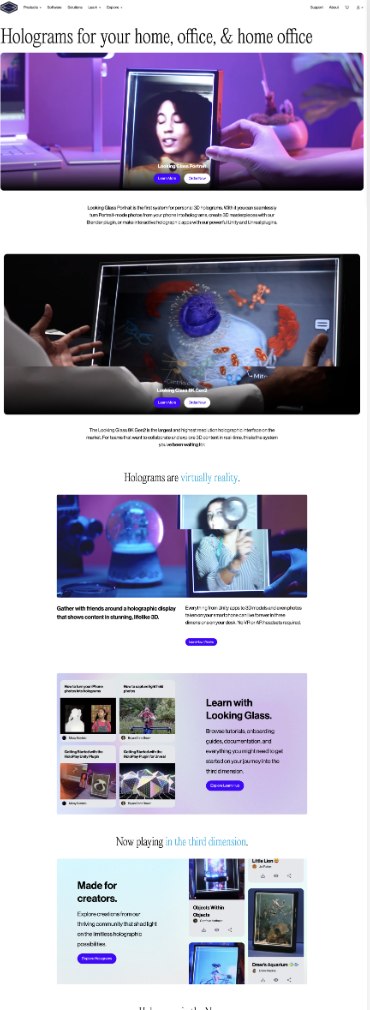
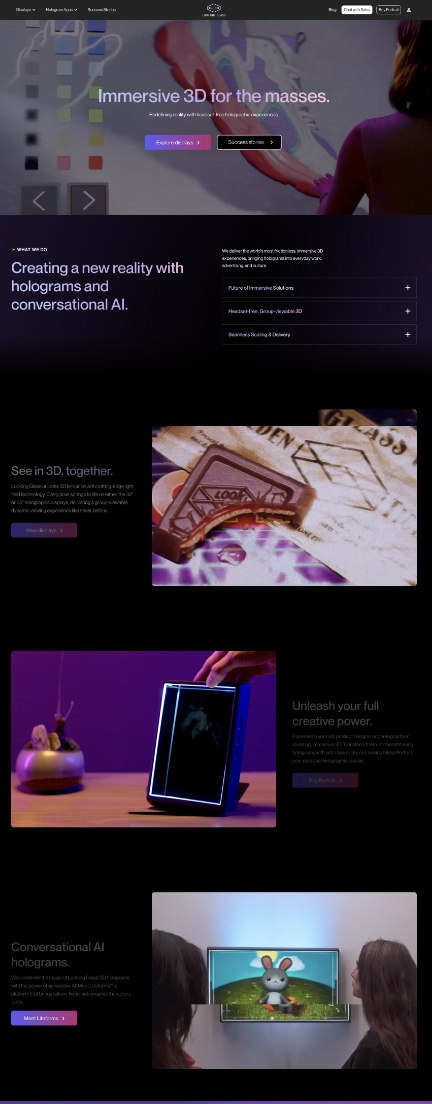
Three years, three websites
The site went through three visible iterations as the brand's audience shifted, from an early creator-facing storefront to a confident enterprise holography platform.
Growing faster than the site could handle
10,000 pre-orders meant a surge of traffic and customer inquiries the existing site wasn't built to carry.
The pandemic delayed shipment and fulfillment, putting pressure on every customer-facing touchpoint.
Shipment delays raised the bar for proactive communication and support to keep expectations in check.
From community to enterprise
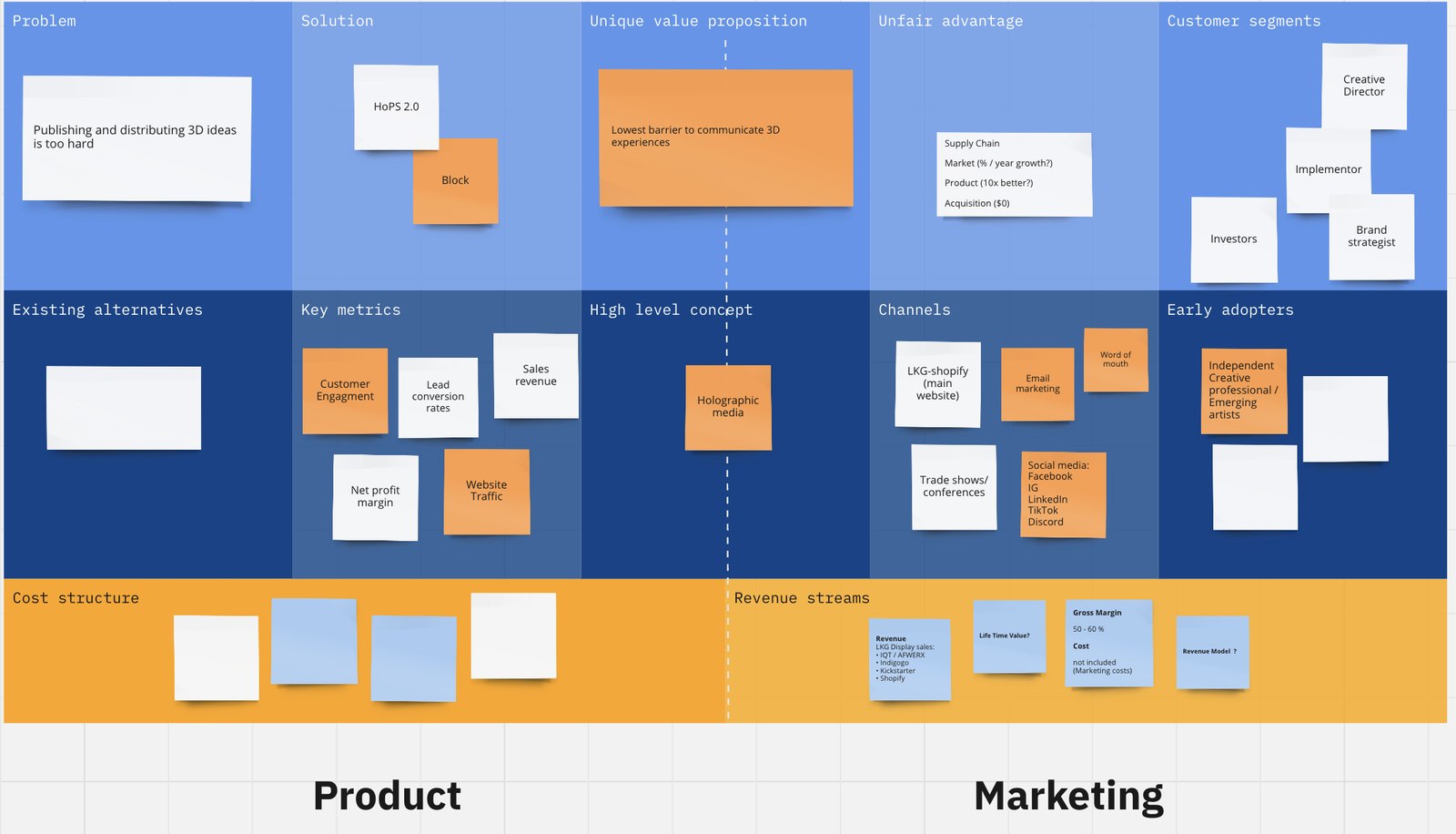
The growth trajectory for Looking Glass was now targeting enterprise brands. The narrative required a shift in messaging and branding to reach this new audience, all while honoring the existing creator community.
Who the new site had to speak to
A broad range of sectors could leverage Looking Glass technology for enhanced visualization:
Alongside these B2B targets, tech enthusiasts and professionals in design, gaming, education, and medical imaging made up a significant part of the audience.
Jobs-to-be-done, not just titles
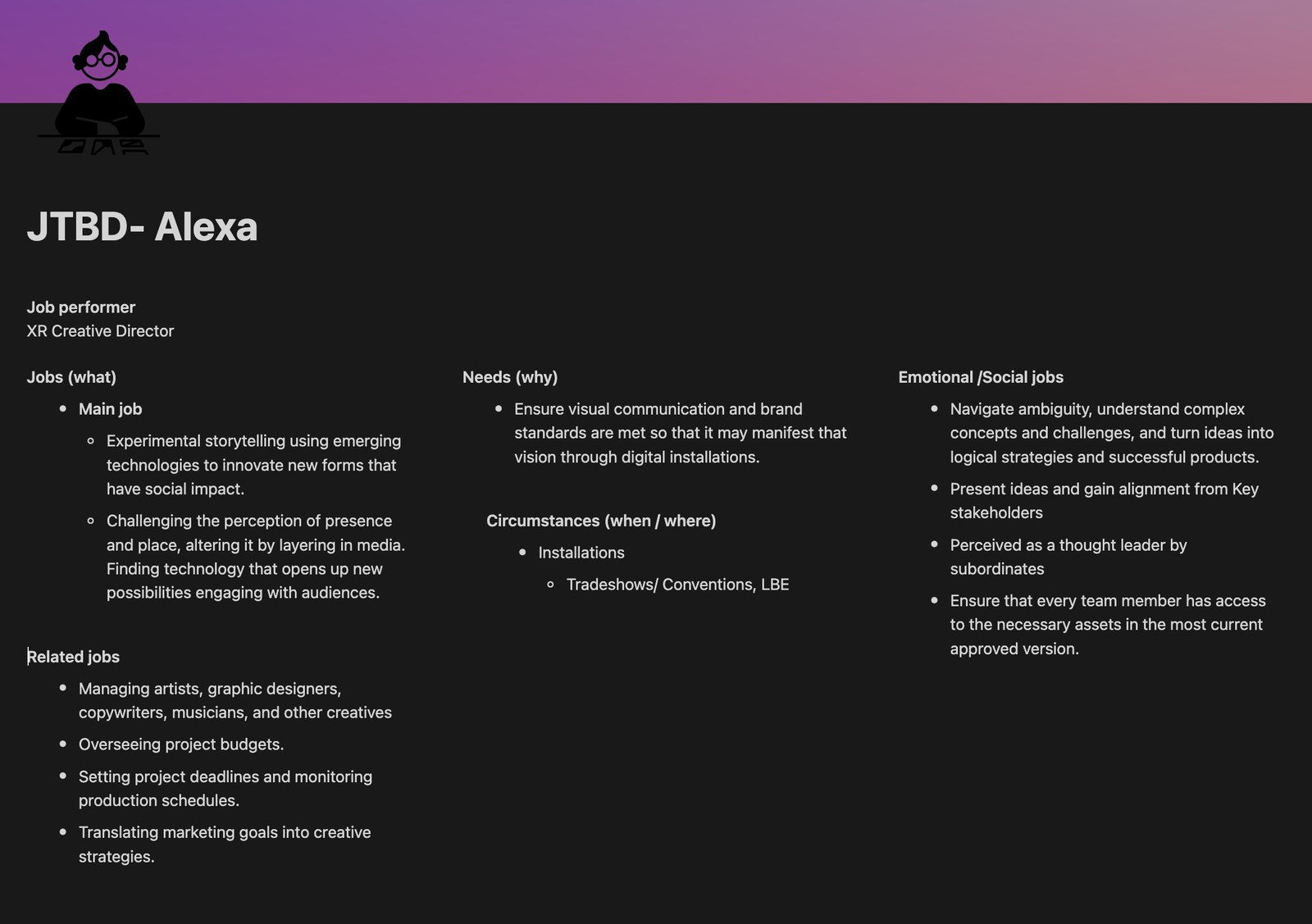
Rather than bucket the audience by job title or industry alone, the team built persona cards around the job each visitor was hiring the product to do: the circumstances they were in, the need driving them, and the related jobs sitting around that core one. That framing kept copy legible across very different sectors, from defense to retail, without diluting it into something generic.
"Goodbye, 2D. Hello, holograms."
Drawing parallels to significant leaps in media evolution, the narrative was clear: 3D holography was the future, and Looking Glass was leading the charge.
Brand value
A way to bring 3D to life without headsets: an entry-level solution for capability building or demos, like bringing generative AI to life in physical settings.
Key messages
Holography as the evolution of media. Group-viewable 3D displays without headsets.
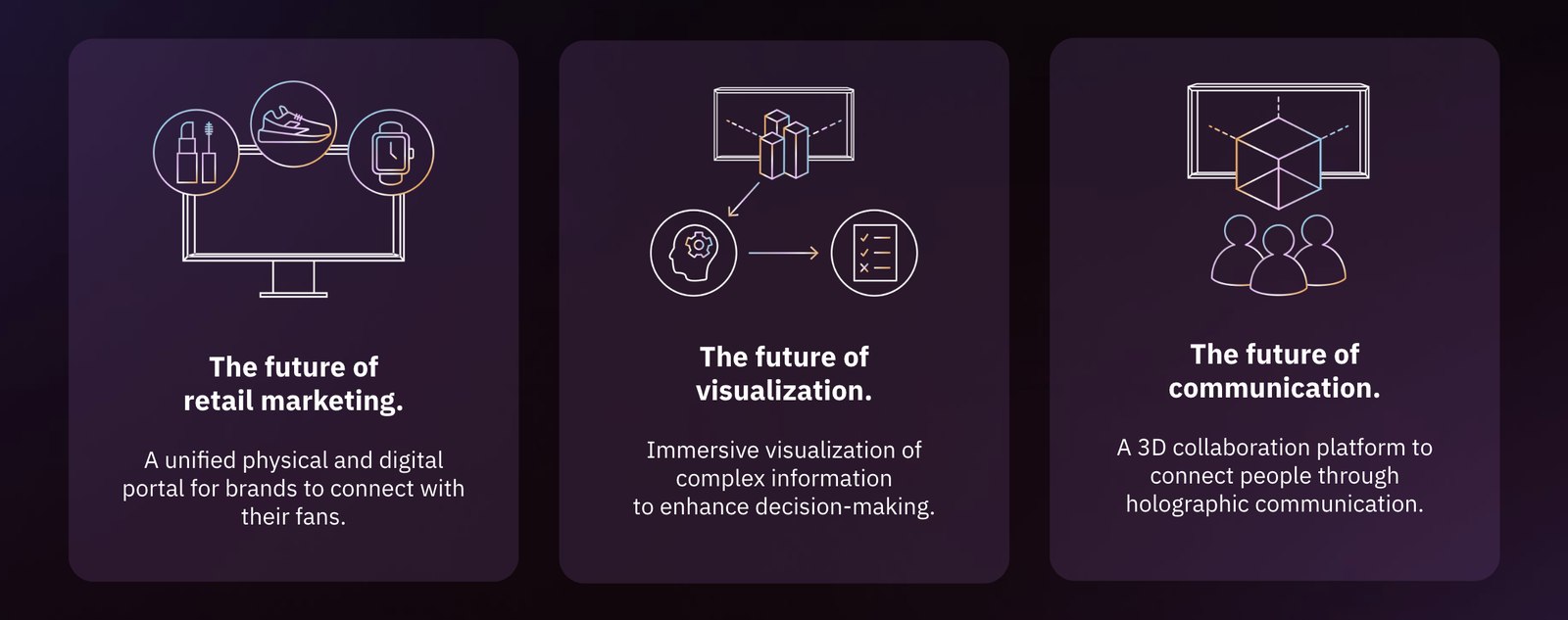
Where the hardware actually gets used
A system built to scale past one launch
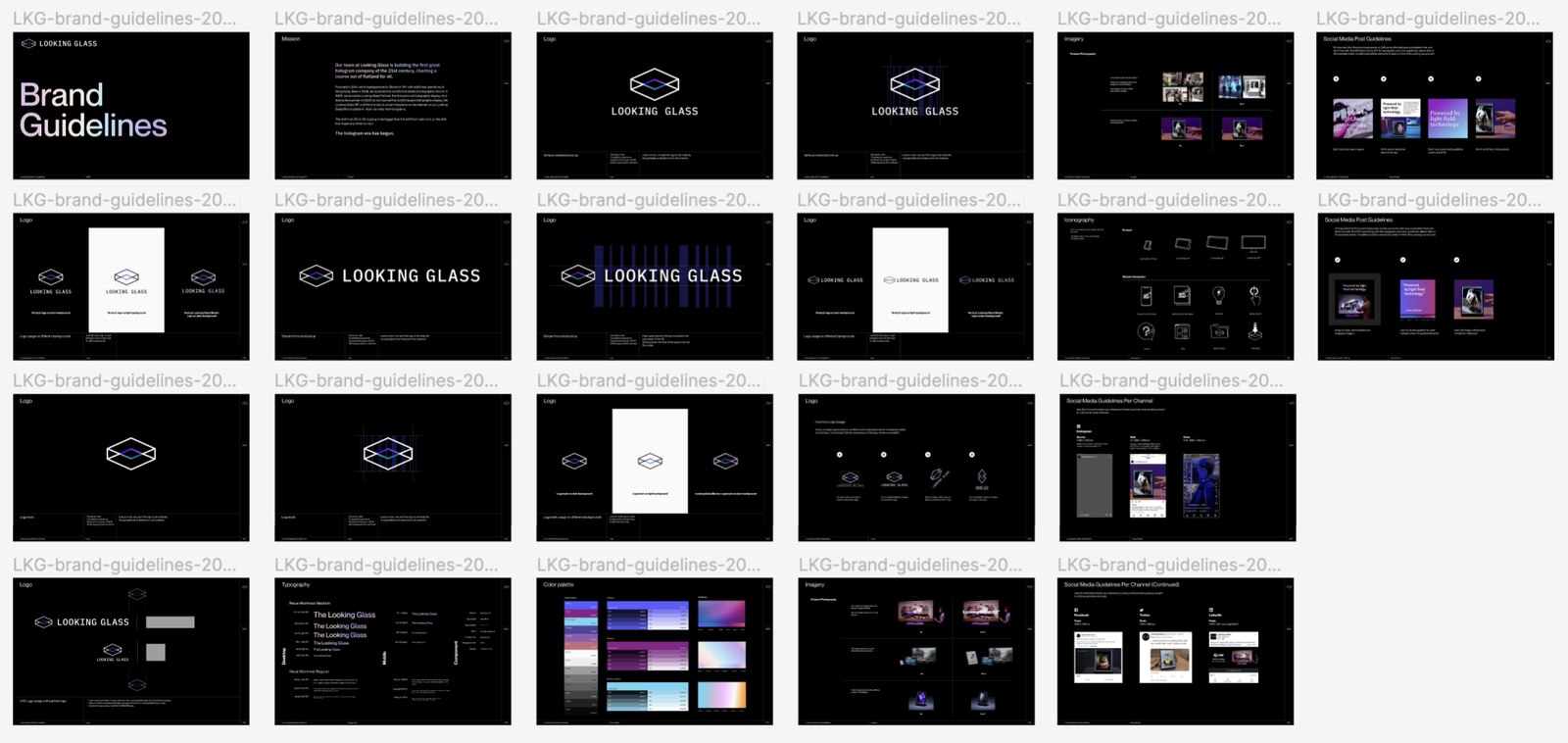
A documented guideline system kept the logo, color, and type decisions consistent as the brand moved from Figma into production.
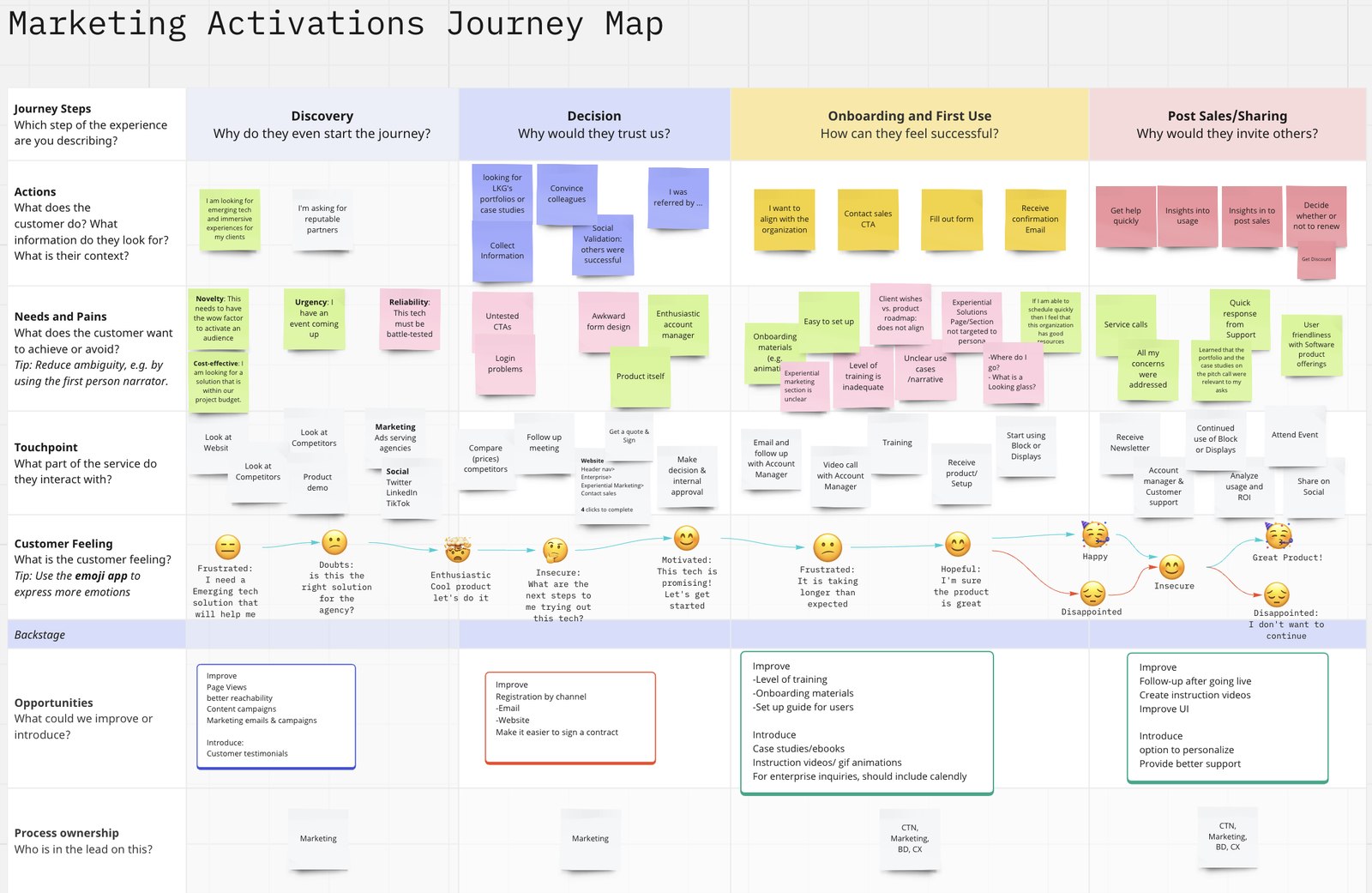
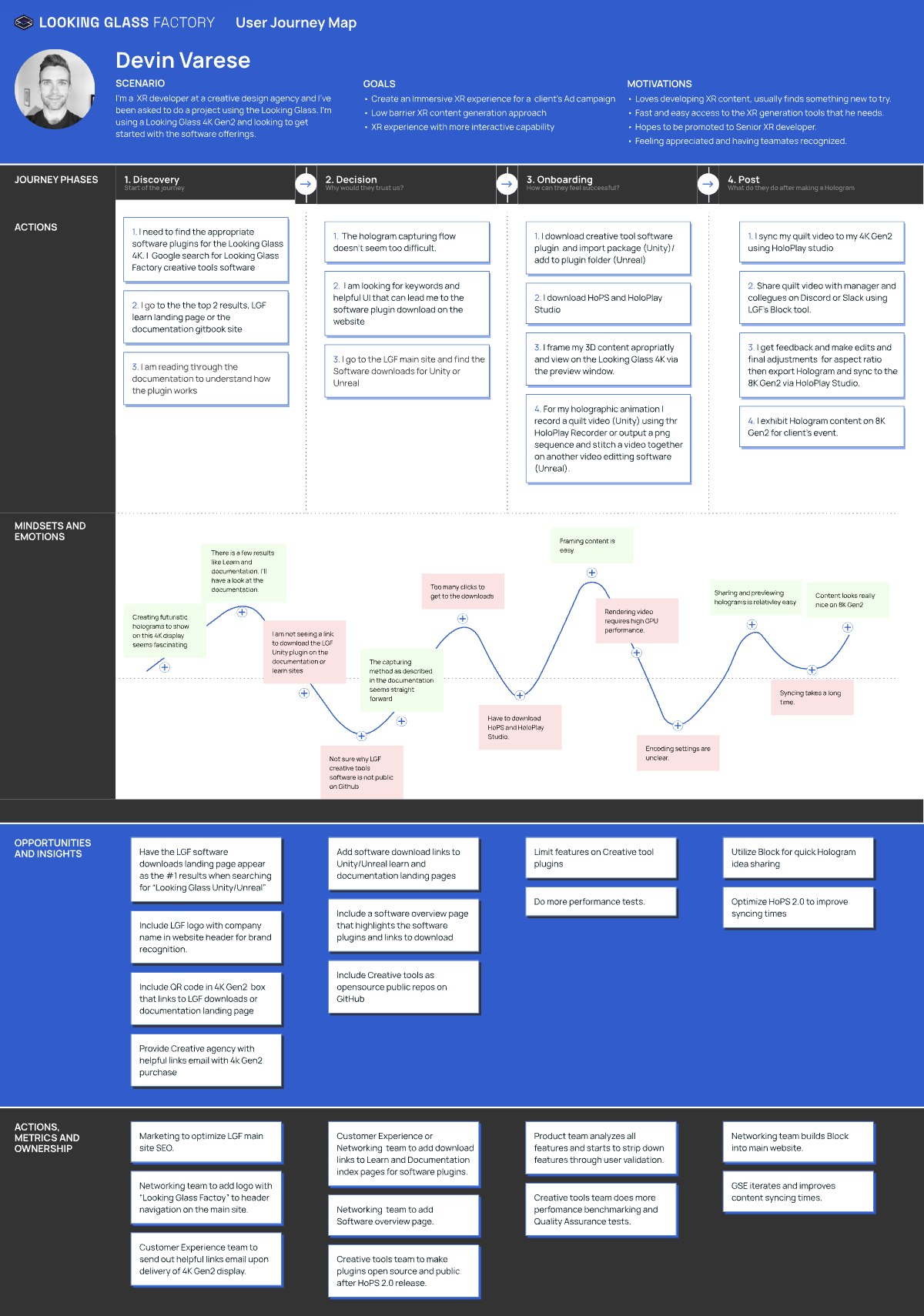
Mapping who shows up, and why
Key scenarios
Photographers exploring 3D visualization.
Creators seeking frictionless 3D media experiences.
Executives enhancing 3D workflows.
Engagement strategy
Imaginative portrayals of 3D potential.
Celebrating creators at every level.
Moving off custom development
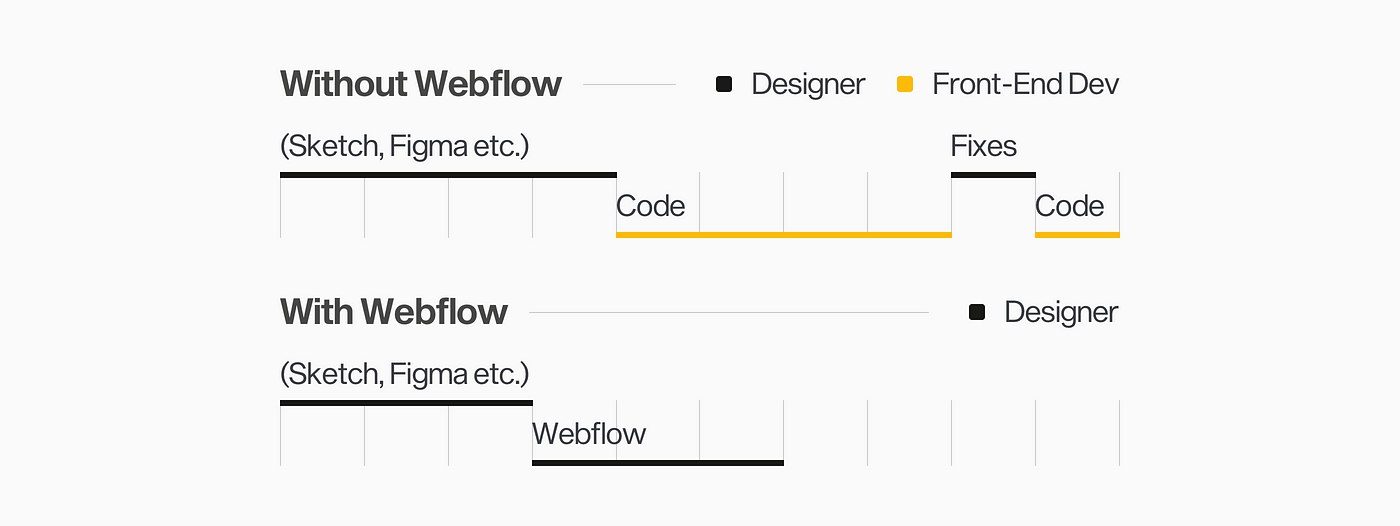
Transitioning from time-consuming custom development on StoryBlok, the move to Webflow, a no-code platform, let the team visualize and iterate on designs seamlessly.
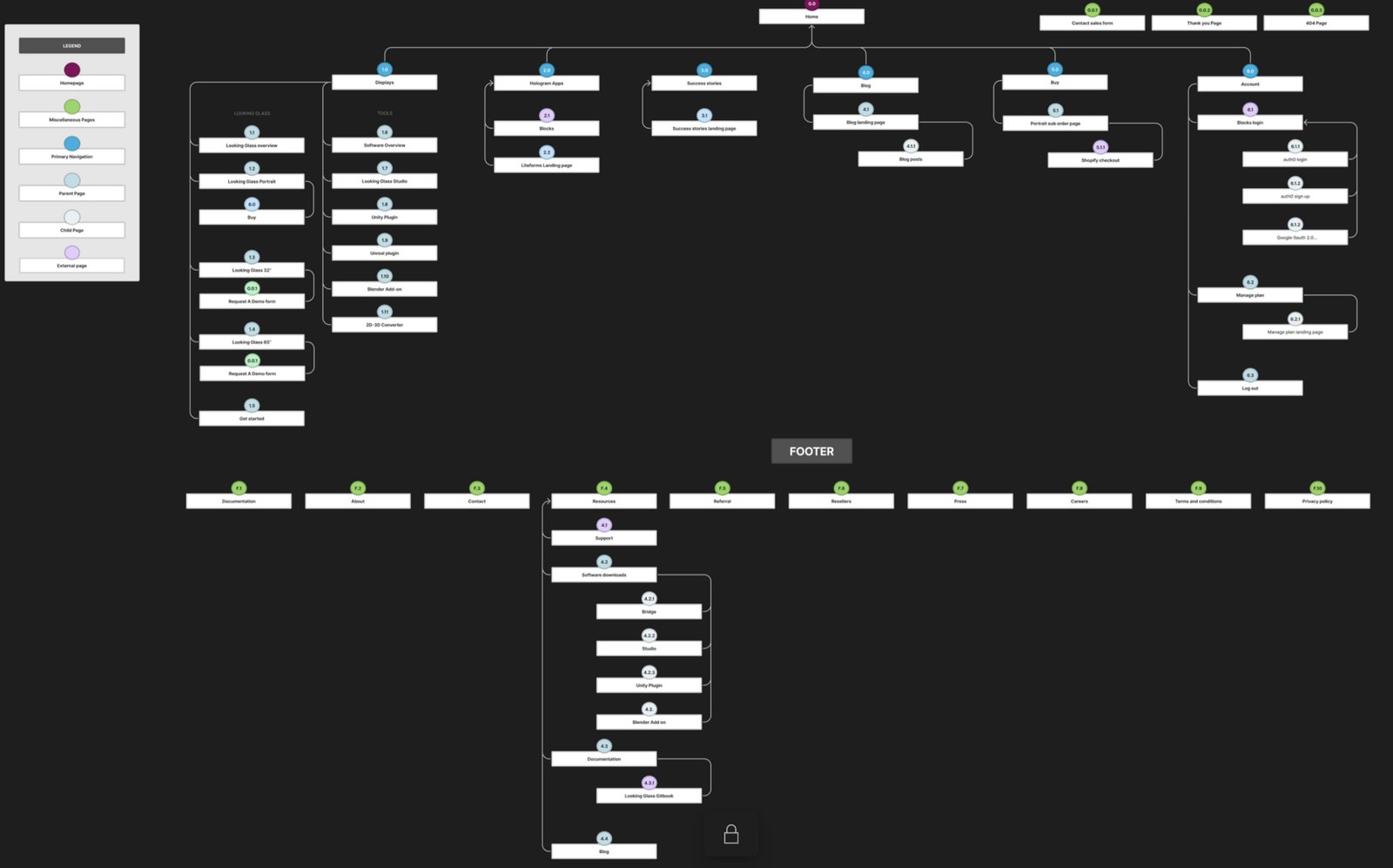
Giving every visitor a clear path
Web sections. Home, Technology, E-commerce, Company, Software, Support, Community, and Business sections laid out clear paths for users based on their interests and needs.
Community engagement. Platforms like Share and Events created touchpoints for community interaction and celebration of creativity.
Shipping it in sprints
Development sprints. Following the design phase, development was broken into sprints, with visual QA, bug fixes, and launch preparation along the way.
Feedback loops. Continued collaboration across teams kept the design well-rounded and user-centric; that feedback was integral to refining the final product.
What the redesign moved
The redesign of Looking Glass's website was not just a visual overhaul but a strategic repositioning in the market. The journey, fueled by a fresh brand narrative and new UX strategy, showcased the real potential of 3D holography.
As Looking Glass continues to evolve, so will its commitment to delivering exceptional user experiences.